Diamond Shine Blogs
5 Common Household Cleaning Mistakes and How to Avoid Them
Most cleaning problems aren’t a matter of effort. People scrub harder, buy stronger products, and still end up with a cloudy shower door or a cooktop that never looks quite clean. Usually the issue isn’t how much work went in — it’s a small habit working against you. Here are five of the most common, and what to do instead.
1. Mixing products to make them stronger
This is the one that matters most, because it’s the one that can hurt you. Bleach and ammonia together release chloramine gas. Bleach and any acid — vinegar, and most lime, calcium and rust removers — release chlorine gas. Both cause real respiratory injury, and both happen in ordinary bathrooms with the door shut and the fan off.
Combining cleaners also doesn’t work chemically. An acid and a base neutralize each other, so what you’re left with is weaker than either product alone. If one cleaner isn’t doing the job, the answer is a product formulated for that specific deposit, not two products in the same bucket.
If you do switch products mid-job, rinse the surface thoroughly with water first and let the room air out.
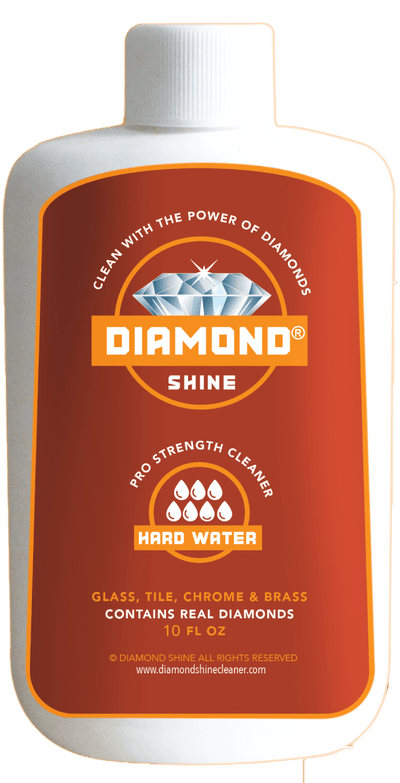
One cleaner for lime, calcium and rust →
2. Using more product instead of more time
When a cleaner doesn’t work on the first pass, the instinct is to spray more. But most cleaners need dwell time — a few minutes in contact with the surface — to break down what they’re working on. Doubling the amount and wiping immediately does almost nothing except waste product and leave residue behind.
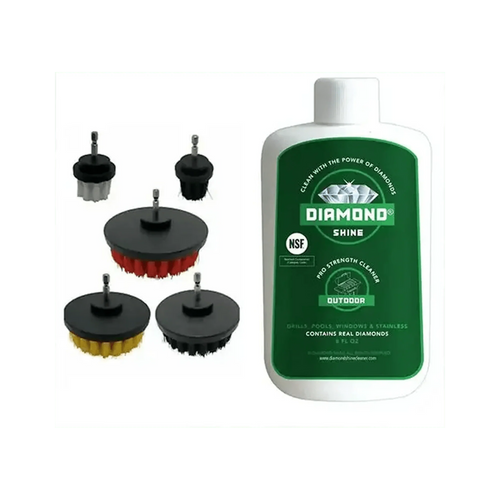
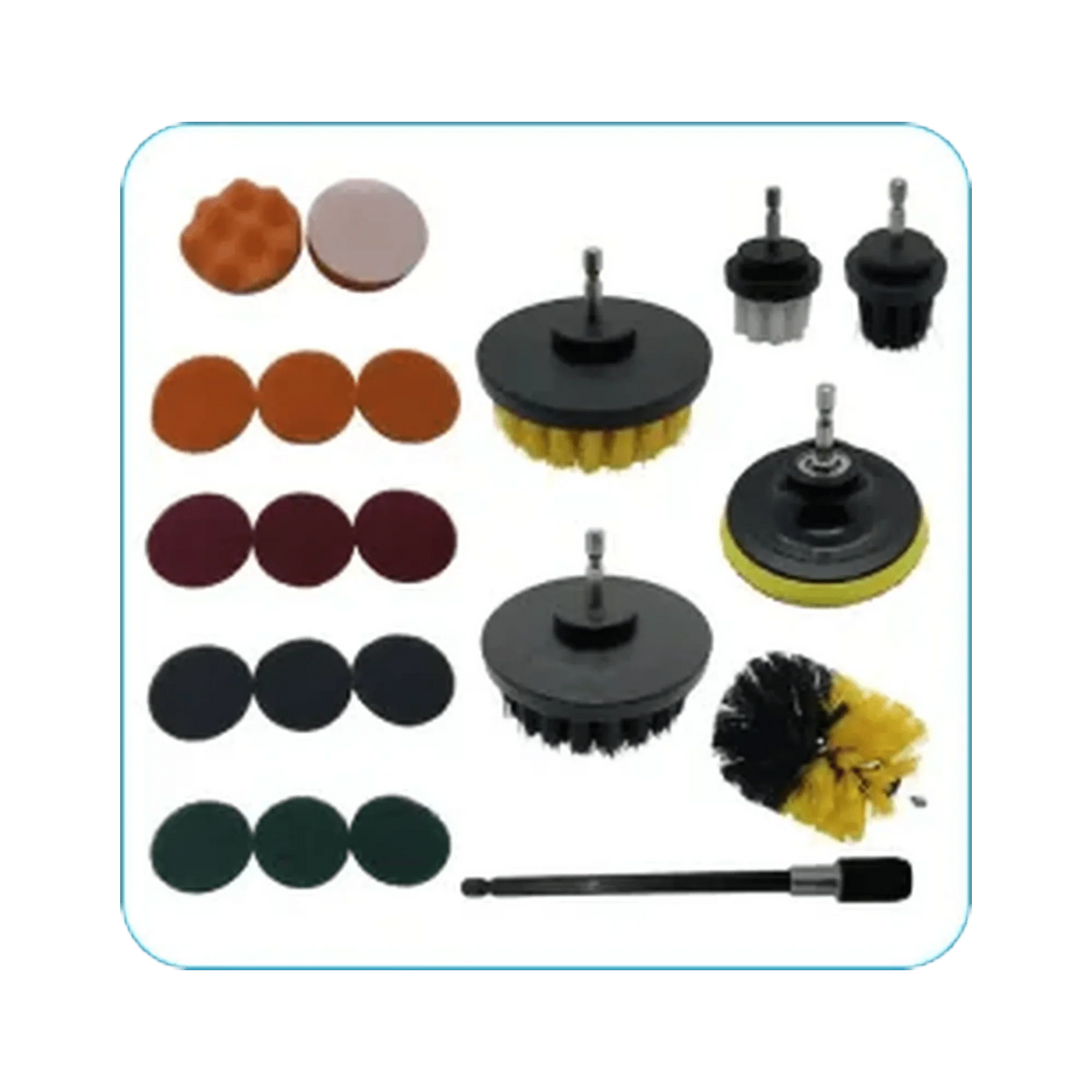
Apply an even coat, let it sit for the time on the label, then agitate and rinse. On mineral buildup, that agitation is where most of the work actually happens. A drill brush turns a ten-minute scrub into about thirty seconds, which means you’re far more likely to actually give the product its dwell time instead of rushing it.
Hard water cleaner + 14-piece drill brush set →
3. Reaching for the wrong abrasive
A stiff brush that’s perfect on grout will put fine scratches across a glass cooktop, a shower door, or automotive paint — and those scratches are permanent. Worse, they trap soil, so the surface gets dirtier faster afterward and looks hazy no matter how often you clean it.
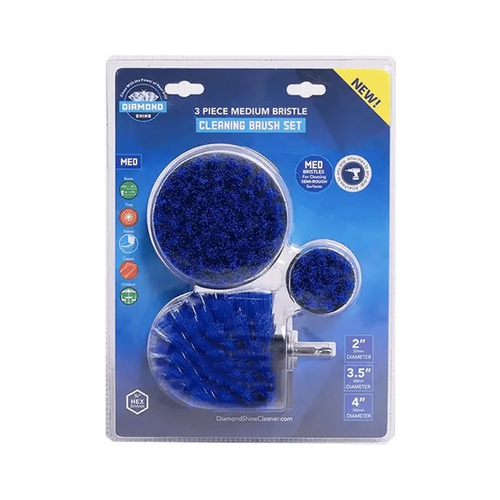
Match the bristle to the surface: firm for grout, brick, concrete and grill grates; medium for tile, tubs and sinks; soft for glass, painted surfaces, stainless, leather and upholstery. When you’re unsure, start soft. You can always step up; you can’t undo a scratch.
Soft bristle set for delicate surfaces →
4. Cleaning with the appliance, never cleaning the appliance
A dishwasher that leaves film on glassware, a washing machine that makes towels smell musty, a disposal that turns the whole kitchen sour — these usually aren’t failing machines. They’re machines full of grease, detergent residue and hard water scale in the spray arms, drum seals and drain lines you can’t reach by hand.
If you’ve never run a cleaning cycle on an appliance, that’s the first thing to try before replacing anything. Monthly is right for a heavily used machine; every couple of months is fine otherwise.
Dishwasher tablets → · Washing machine tablets → · Garbage disposal tablets →
5. Treating mineral stains like dirt
The white film on a shower door, the spots on a faucet, the chalky ring in a toilet bowl — none of that is dirt. It’s calcium and magnesium left behind when hard water evaporates, bonded to the surface. Soap and general-purpose spray cannot dissolve it, which is why scrubbing feels endless and the haze always comes back.
Mineral deposits need an acidic cleaner formulated to dissolve them. The difference is immediate and a little startling the first time — the film lifts rather than smears. Once it’s gone, drying the glass after showers keeps it from rebuilding.
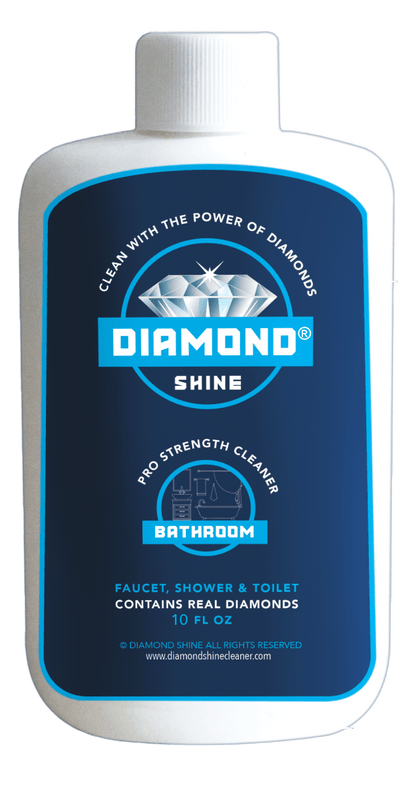
Bathroom cleaner for hard water and soap scum →
The short version
Never combine cleaners. Give the product time instead of volume. Match the brush to the surface. Clean the machines that clean for you. And use a product built for the deposit you’re actually facing — most “stubborn” messes are just the wrong tool applied with more force.